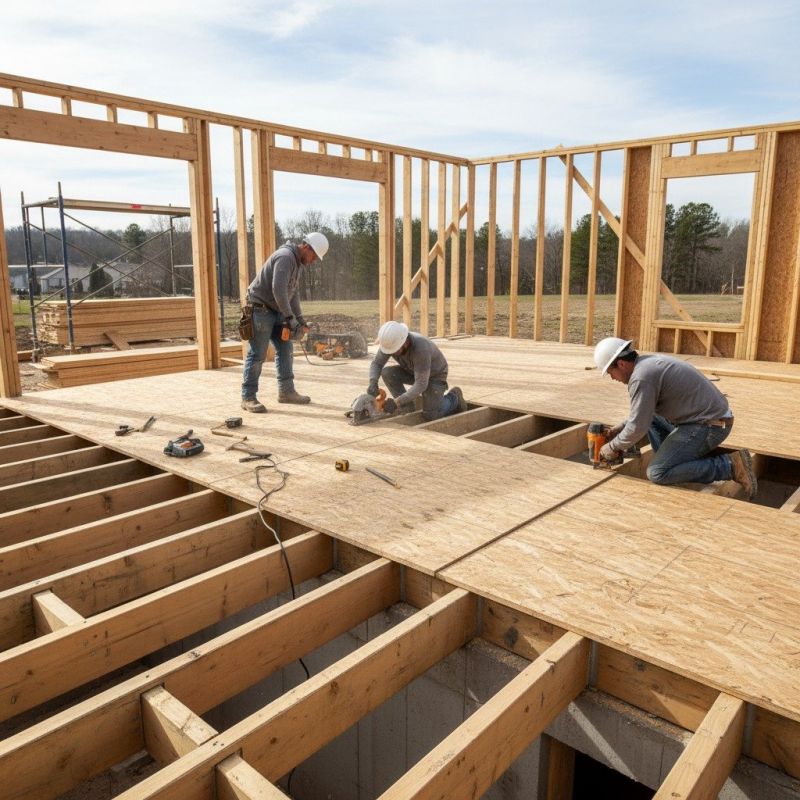
Subfloor Installation in Wilmington, NC
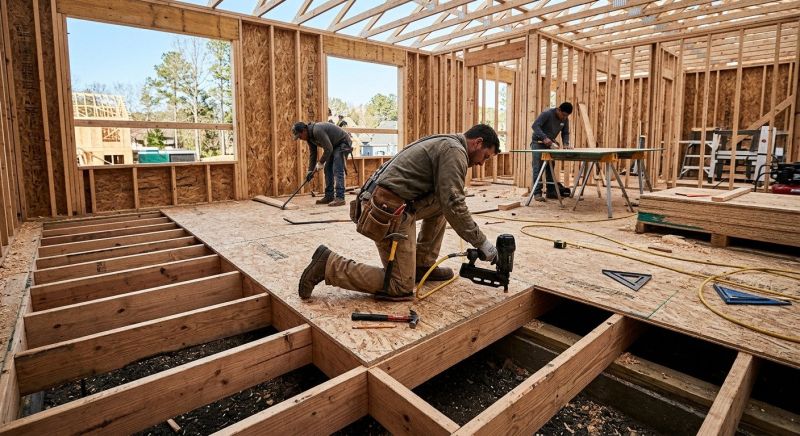
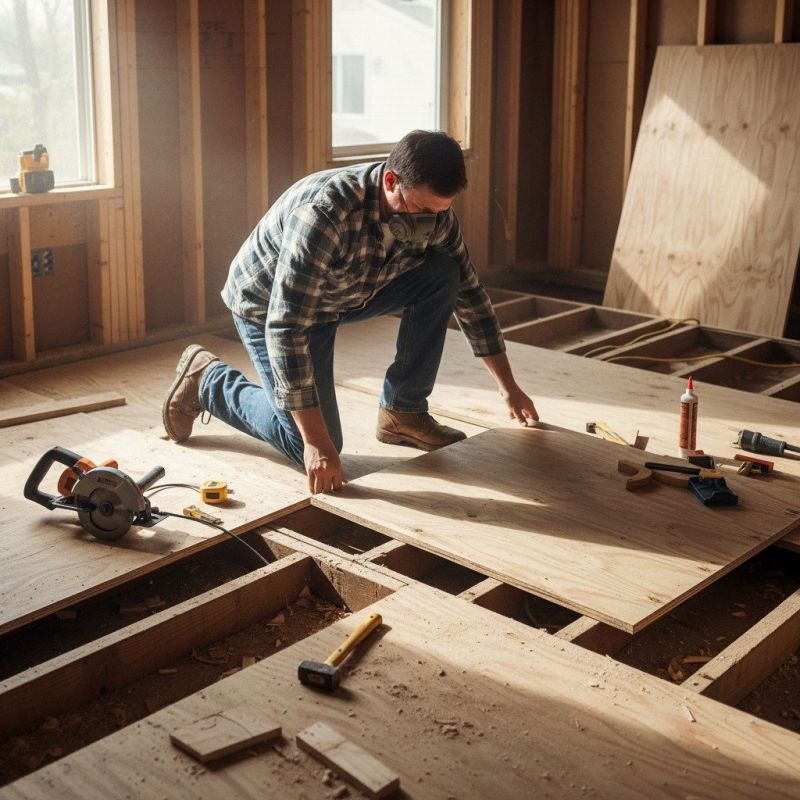
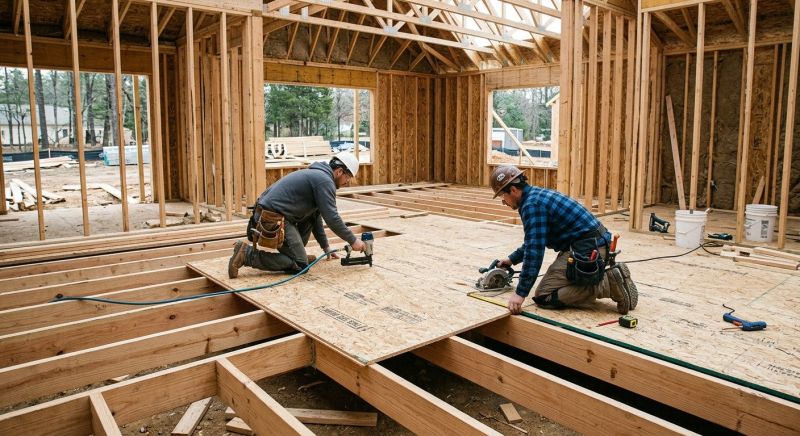
Subfloor installation services involve preparing and installing a sturdy base layer beneath flooring materials such as hardwood, laminate, tile, or carpet. This process is essential for ensuring a level, stable surface that supports the finished flooring and enhances its durability. Projects often include replacing damaged or rotted subfloors, upgrading existing substructures, or installing new subflooring during major renovations or new construction. Property owners typically want to understand the types of materials used, the importance of proper installation for long-term performance, and how the process can address issues like uneven surfaces or moisture problems before proceeding.
Before requesting subfloor installation, homeowners should consider the current condition of their existing substructure and whether repairs are necessary. It’s useful to know the scope of work involved, including removal of old materials, the types of subflooring options available, and any preparation needed to ensure a smooth installation. Clarifying these details helps property owners make informed decisions and ensures the new subfloor provides a solid foundation for their chosen flooring type, contributing to the overall safety and appearance of the space.
Many property owners in Wilmington, NC look into Subfloor Installation for repairs, replacements, upgrades, and appearance-related improvements.
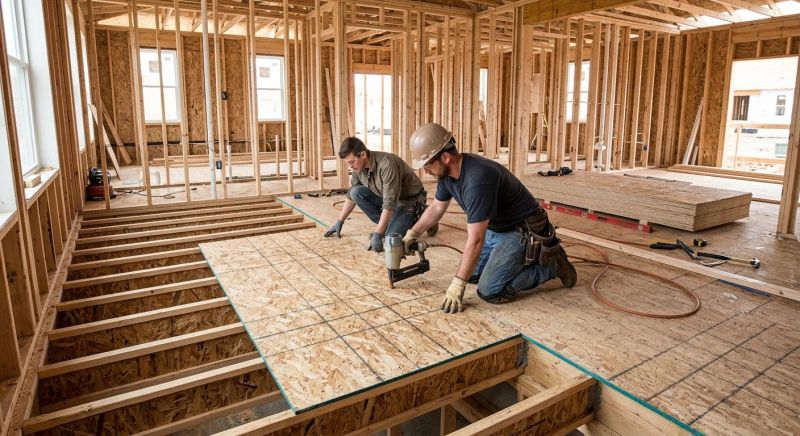
Subfloor Repair And Replacement
Ensuring a stable foundation for flooring in residential and commercial spaces.
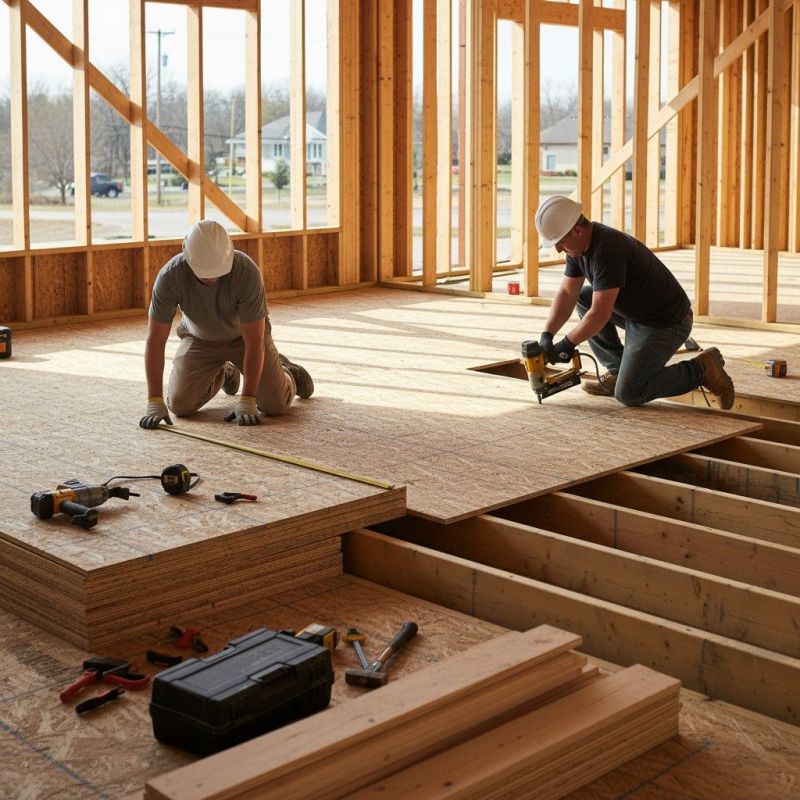
Subfloor Leveling And Preparation
Creating a smooth, even surface to support new flooring installations.
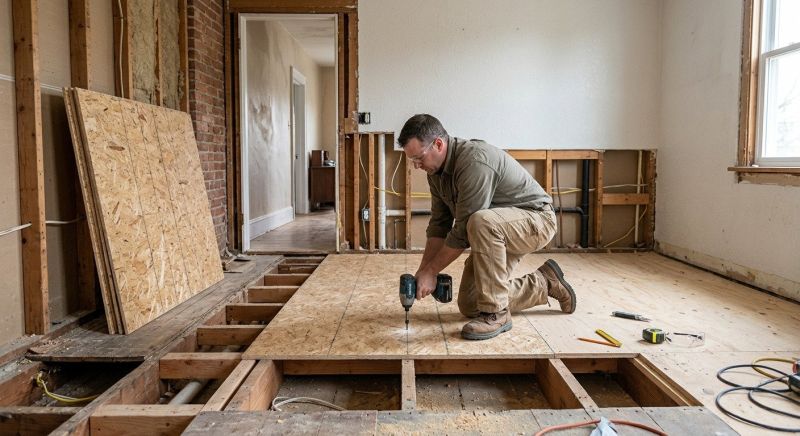
Subfloor Material Selection
Choosing appropriate materials for durability and long-term performance in wilmington homes and businesses.
Subfloor Installation in Wilmington, NC

Subfloor installation services involve preparing and installing a sturdy base layer beneath flooring materials such as hardwood, laminate, tile, or carpet. This process is essential for ensuring a level, stable surface that supports the finished flooring and enhances its durability. Projects often include replacing damaged or rotted subfloors, upgrading existing substructures, or installing new subflooring during major renovations or new construction. Property owners typically want to understand the types of materials used, the importance of proper installation for long-term performance, and how the process can address issues like uneven surfaces or moisture problems before proceeding.
Before requesting subfloor installation, homeowners should consider the current condition of their existing substructure and whether repairs are necessary. It’s useful to know the scope of work involved, including removal of old materials, the types of subflooring options available, and any preparation needed to ensure a smooth installation. Clarifying these details helps property owners make informed decisions and ensures the new subfloor provides a solid foundation for their chosen flooring type, contributing to the overall safety and appearance of the space.
Many property owners in Wilmington, NC look into Subfloor Installation for repairs, replacements, upgrades, and appearance-related improvements.
Common Subfloor Installation Jobs
Subfloor Installation - ensures a stable and level foundation for flooring materials.
Residential projects - includes replacing or repairing subfloors in homes and living spaces.
Commercial spaces - supports the installation of flooring in retail, office, or industrial properties.
Moisture mitigation - addresses water damage and prevents mold growth beneath the flooring.
Structural repairs - reinforces or replaces damaged subfloor sections for safety and durability.
Flooring preparation - creates a smooth, even surface for the proper installation of final flooring layers.
Subfloor Installation Questions
What is subfloor installation? Subfloor installation involves placing a supportive base layer beneath the finished flooring to ensure stability and durability in a home or property.
When is subfloor replacement needed? Replacement may be necessary if the existing subfloor is damaged, rotting, or has suffered water or structural issues that compromise its integrity.
What types of flooring require a subfloor? Most flooring types, including hardwood, laminate, tile, and carpet, require a properly installed subfloor for a secure and even surface.
What are common signs of subfloor problems? Signs include uneven flooring, squeaking, noticeable dips, or visible damage when inspecting beneath the finished floor.
Request Subfloor Installation in Wilmington, NC
Use the quote form on this page to share the basics of your project and request more information for the type of work you need.